Sample: Use outdoor light only where it is needed

Sample story for layout testing. Better outdoor lighting starts with a simple question: what needs light, and what can remain naturally dark?

17 September 2026 · Collingwood Lighting · 1 min read
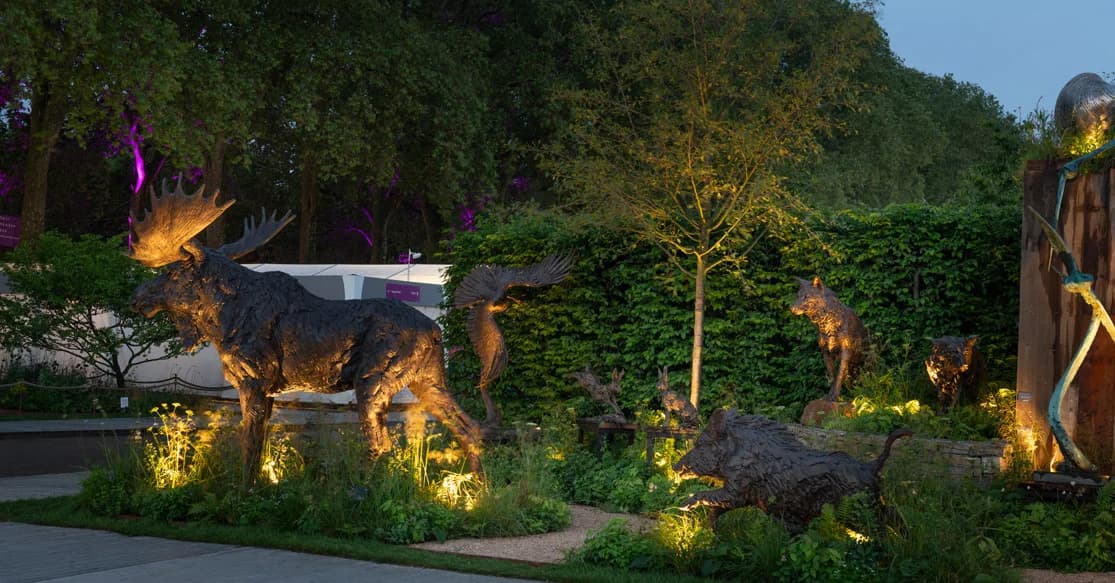
Landscape lighting used to highlight an outdoor space

Sample content for layout testing only. This is not a published company announcement.

Design for the right amount of light

A successful scheme balances soft background light with focused accents. Light can define planting, architecture, patio edges and steps, supporting both atmosphere and safe movement.

Over-lighting can reduce intimacy, so begin with the purpose of each area before choosing fittings and beam angles. Consider where light is useful and where darkness can remain part of the design.

Reduce spill and unnecessary use

Direct light downwards and keep it within the area it serves to reduce glare and unwanted upward spill. Asymmetric beams can help contain light, while low-glare fittings and warmer colour temperatures can reduce disturbance to nocturnal wildlife.

Consider LED efficiency in lumens per watt, and use timers, PIR sensors or light sensors so lighting operates when it is needed. Durable products with replaceable parts can also support a longer useful life.

Explore the full advice in six tips for more sustainable landscape lighting.

Frequently asked questions

Collingwood was founded in 1901 as FEC Limited. It moved into electronics and lighting in 1961 as Collingwood VLM, and was renamed Collingwood Lighting in 2001 — making 2026 its 125th year.