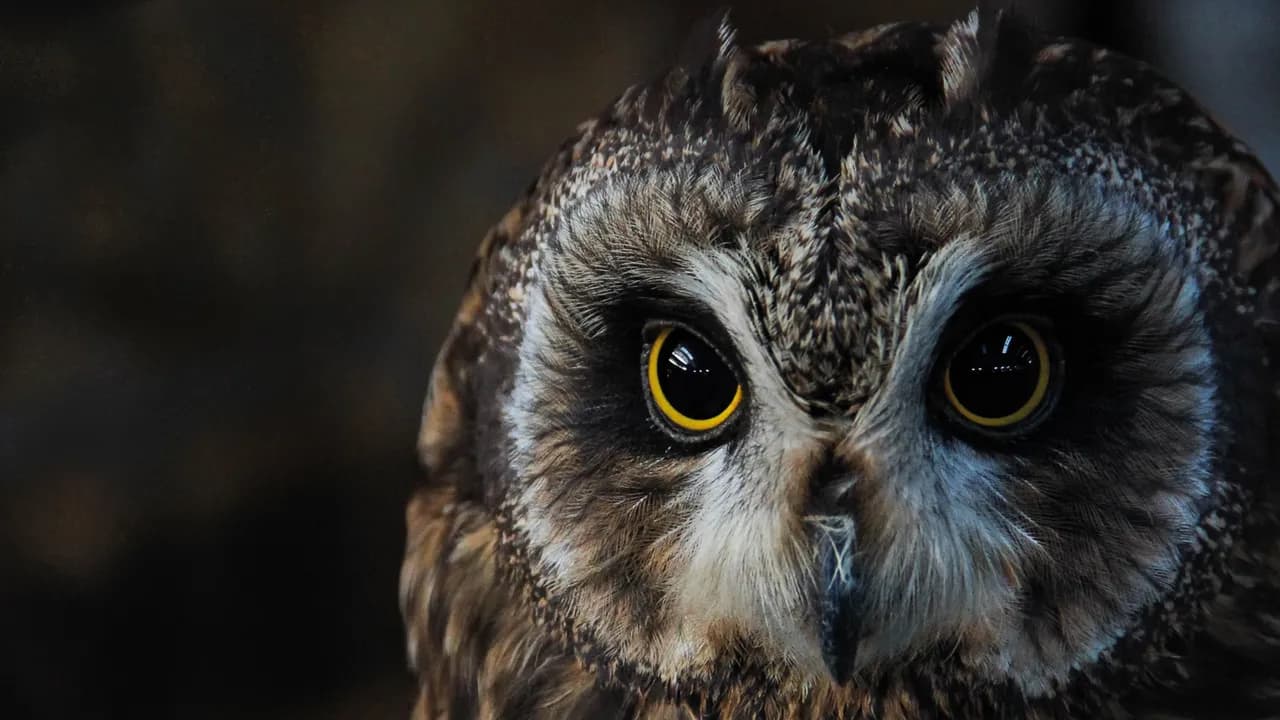
Lighting design for Wildlife
At Collingwood, we’re passionate about bringing quality lighting to life. We believe that a considered outdoor lighting scheme can support the safety, security and ambience of a property, whilst minimising the impact on nature.
Considerate lighting schemes reduce impact on nocturnal animals.
At Collingwood, we’re passionate about bringing quality lighting to life. We believe that a considered outdoor lighting scheme can support the safety, security and ambience of a property, whilst minimising the impact on nature.
It’s about getting the balance right. The right luminaires, in the right locations coupled with a measured approach to the colour, intensity and angle of light.
Then there’s the duration, timing and efficiency to factor in.
Too much of the wrong light in the wrong location, can lead to glare and hamper the eye’s ability to acclimatise to darker areas. Poor lighting can actually lead to reduced visibility and create an unsafe environment.
In the majority of towns and cities, unnecessary light pollution can actually overwhelm the night sky. The build-up of artificial luminance creates an orange glow that overwhelms the night sky. Once bright Stars and planets are lost to from view.
Imagine looking up and not being able to see the stars…
Unwelcome Light during the dusk or the dawn hours, disturbs the 24hr sleep cycle of wildlife. These “circadian rhythms” govern the animal’s natural behaviour. The night time is their right time for hunting, eating, sleeping and mating. Light pollution blurs these boundaries of day and night. It prevents nocturnal creatures such as owls, bats, badgers and moths from carrying out essential, life nurturing activities during the twilight hours. This can lead to poor nutrition and impede breeding.
Excessive lighting can also hinder the movement of species and disrupt migratory behaviour. Well-travelled wildlife corridors, once splashed with unwelcome light, become impassable, leaving animals trapped in unsupportive locations.
However, it is the “attraction to” or “avoidance of” light that has the biggest impact on wildlife.
It tips the balance in favour of the predator, when the prey is attracted to the light. Take street lamps, for example, they’re an all you can eat fly-by insect banquet for bats.
Whilst the prey of nocturnal animals can flourish in well-lit areas, safe in the knowledge that his or her nemesis, is having a nap.
So, how can we reduce negative impact of light on nature?
Using up to 75% less energy, and lasting 25 times longer than incandescent bulbs, LED technology has revolutionised the lighting industry. As pioneers in the LED field, our development team continue to push boundaries to create efficient, long-lasting luminaires that can reduce light pollution.
Our external range caters to all your lighting needs. From soft glare step lights and dimmable soffit downlighters, through to angled spike lights to accent trees and shrubbery. We also offer a range of wall lights with motion / dusk to dawn sensors for a safe and welcoming light, only when required.
If you’re in the dark about how to considerately light your outdoor space, then why not check out our blog “How to prevent Light Pollution”. It features helpful tips on how to plan, and minimise your lighting footprint.
Articles you may also like
These are articles we recommend that you also mind find interesting
Be the first to know the latest updates
Subscribe to our newsletter!
